Astronauts are going back to the Moon after more than five decades, and this return feels different from the Apollo era. The last time humans traveled beyond Earth’s orbit, the world was still using rotary phones and printed maps. Since then, technology has changed daily life, yet no one has gone back to deep space.
That long pause ends with NASA’s Artemis II mission, which will send four astronauts on a loop around the Moon and bring them home.
However, this mission is not about planting flags or racing rivals. It is about proving that humans can travel far from Earth again and come back safely. Artemis II follows an uncrewed test flight that circled the Moon and returned with strong results.
NASA now plans to put people inside the Orion spacecraft and push it farther than any crewed mission in more than fifty years. The goal is steady progress, not quick headlines.
Why This Mission Means Now?
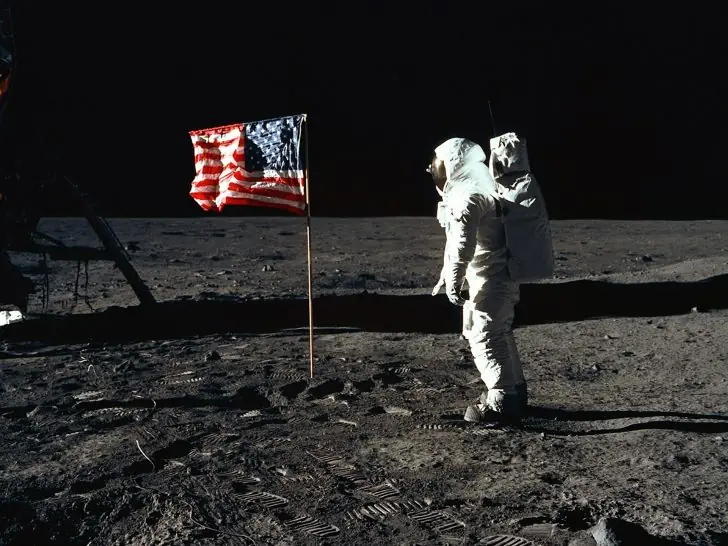
Even with those gains, human spaceflight has stayed close to home for decades. The Moon sits far beyond that comfort zone, and reaching it again sends a clear signal that deep space is back on the table.
This mission also resets expectations for how space programs work. Apollo moved fast because it had a short timeline and a single goal. Artemis moves with care because the mission must protect human lives and test systems meant to last for years. NASA wants a repeatable path to deep space, not a one-time stunt.
Who Is On Board?
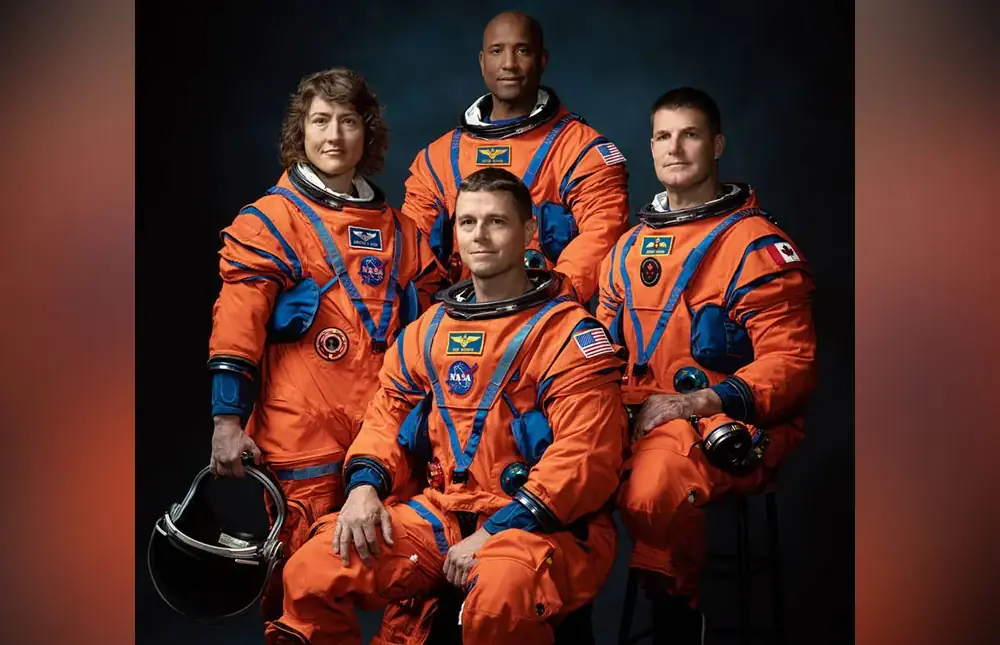
The crew chosen for Artemis II reflects a new chapter in human spaceflight. The team includes experienced NASA astronauts and a Canadian Space Agency astronaut. This will be the first time a non-American astronaut travels beyond low Earth orbit.
It also marks the first time a woman and a person of color will fly that far from Earth. These choices signal that deep space missions now reflect the world that supports them.
Each crew member brings skills shaped by years of training and previous missions. They have lived on the space station and handled emergencies in orbit. Those lessons matter when a spacecraft leaves Earth behind. Once the crew heads toward the Moon, a quick rescue is not an option.
The team must rely on training, teamwork, and systems that work under pressure.
Artemis II will not land on the Moon, and that detail matters. The mission will send the crew on a long loop around the Moon and back to Earth. This path tests the Orion spacecraft in deep space with humans inside. Engineers will watch how life support, navigation, and heat shields perform under real conditions. The crew will also test how the capsule handles long stretches without help from Earth.
Deep space exposes astronauts to higher radiation levels and longer communication delays. Even small problems become serious when help sits far away. Artemis II exists to face those challenges before a landing mission puts people on the lunar surface.
This Sets Up Future Moon Landings!
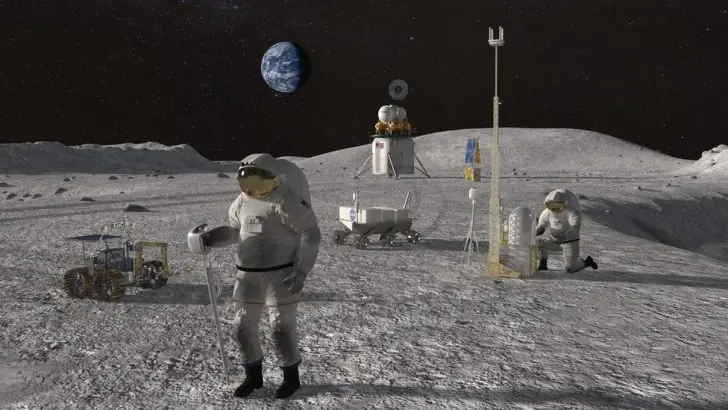
That area holds ice trapped in shadowed craters, which could support future bases and fuel production. Learning how to reach and study that region opens doors for long stays on the Moon.
Artemis II clears the path for those future landings by testing the full system with people on board. The Space Launch System rocket, the Orion capsule, and the mission teams must work as one.