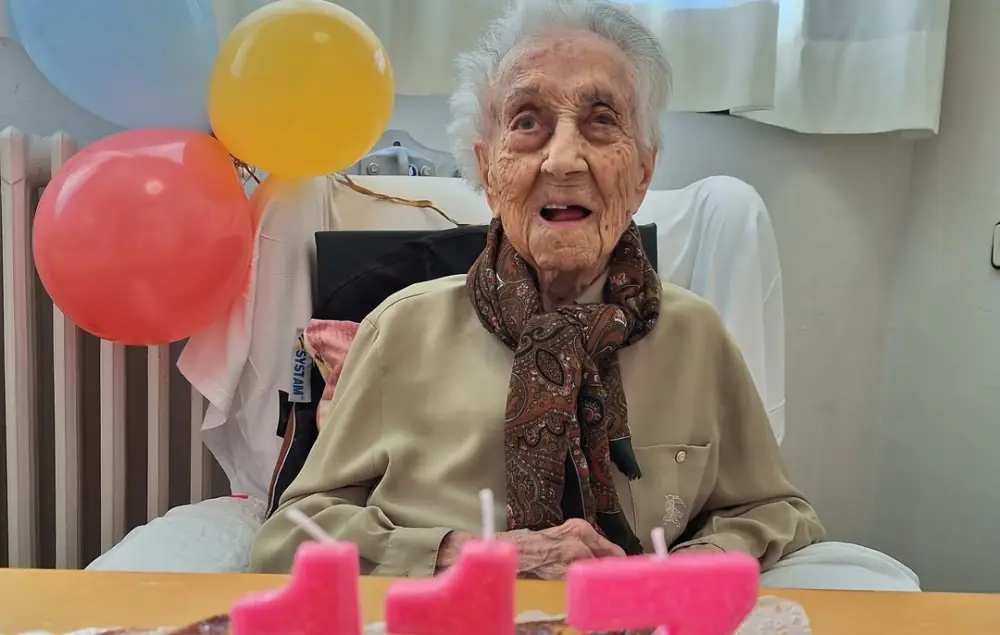
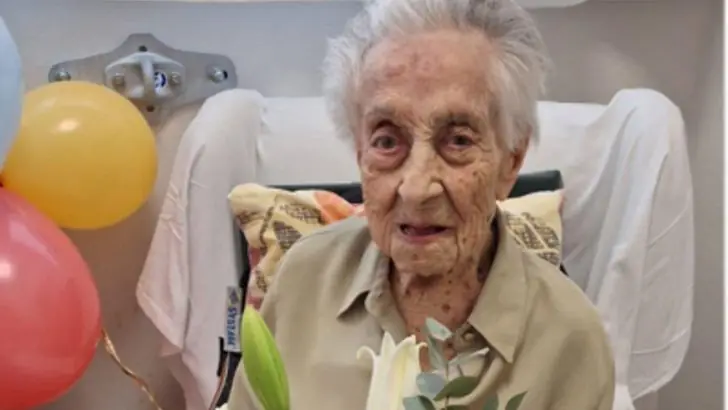
When a woman lives past 117, scientists pay attention. When she stays mentally sharp and largely disease-free, they lean in even closer. That is exactly what happened with Maria Branyas Morera, who lived to 117 years and 168 days. Her body became one of the most deeply studied cases of extreme human aging ever recorded.
What researchers found changed how we think about old age. Her long life was not driven by a single trick or rare habit. It came from a precise mix of genetics, biology, and steady routines repeated for decades. The biggest takeaway is that aging does not have to mean long years of sickness.
These genes helped protect her heart and preserve brain function. Just as important, she did not carry many of the risky gene variants tied to cancer, Alzheimer’s, or severe metabolic disease.
Her cells also behaved like they belonged to someone much younger. Scientists measured her biological age and found it was more than 20 years younger than her real age. Her cholesterol numbers looked ideal, with low LDL and triglycerides and strong HDL levels. Even her immune system showed less wear than expected for someone born before World War I.
Then came the shock. Her telomeres, the protective caps on chromosomes, were extremely short. Normally, that signals trouble. Researchers think it may have helped her. Short telomeres limit how long damaged cells can survive, which may reduce cancer risk. In her case, less turned out to be more.
Her Gut Looked Like It Belonged to a 30-Year-Old
One of the most surprising discoveries lived in her gut. Maria’s microbiome was packed with beneficial bacteria, especially Bifidobacterium. This type of bacteria is linked to lower inflammation, better digestion, and stronger immune response. Most people lose it as they age. She did not.
This mattered because chronic inflammation speeds up aging. A healthy gut helps keep inflammation low across the entire body. Her microbiome looked closer to that of a young adult than a supercentenarian. Scientists believe this played a major role in keeping her organs working smoothly for so long.
Her daily yogurt habit likely helped. For over 20 years, she ate three servings of plain yogurt every day. No sugar. No flavorings. Just consistency. That steady intake probably fed the good bacteria and helped them dominate her gut. It is not glamorous, but biology often rewards boring discipline.
Her Lifestyle Was Calm, Predictable, and Social

She also stayed mentally engaged and socially connected. The healthy senior spent time with family and friends and kept her mind busy. She avoided toxic relationships and emotional chaos. She believed peace mattered more than intensity. That belief shaped how she lived each day.
Her diet followed a Mediterranean pattern. Vegetables, fruits, whole grains, olive oil. Nothing extreme. Nothing restrictive. Combined with regular movement and strong relationships, this created a stable internal environment. According to lead researcher Dr. Manel Esteller, her long life came roughly half from genetics and half from lifestyle.
Maria’s case does not mean everyone can live to 117. Aging is personal and complex. Still, her life proves something important. Extreme age does not automatically bring long years of suffering. Disease and aging are not locked together.