In the cold, deep waters of the Salish Sea, a new kind of listening device is quietly at work. However, it is not a buoy or a microphone. It is a regular fiber-optic cable, the kind that usually carries internet data across the ocean floor. However, scientists have now discovered a way to transform these cables into something extraordinary: underwater ears.
This is a real-world tech breakthrough called Distributed Acoustic Sensing, or DAS. And it might just help save one of the most endangered whale populations on the planet, the Southern Resident orcas.
Fiber-Optic Cables Are Now Whale Whisperers
DAS started as a tool to detect gas leaks and monitor oil pipelines. But researchers at the University of Washington had a different idea. What if they could use this same tech to hear what is happening in the ocean?
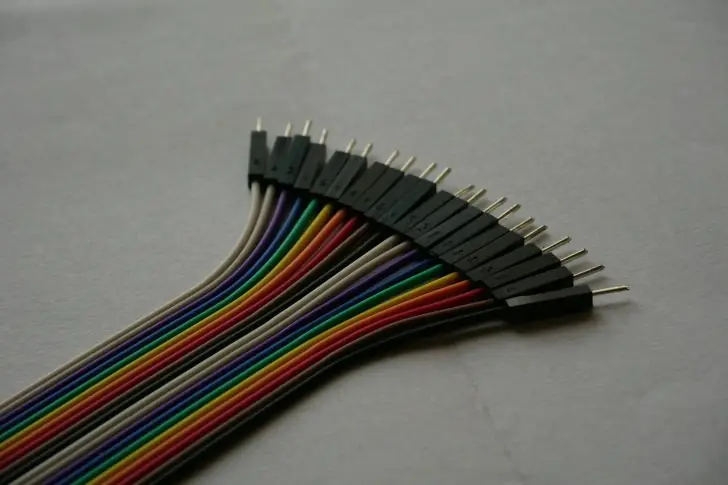
By analyzing those changes, scientists can determine exactly where the sound originated and what caused it.
That is the big difference between DAS and traditional underwater microphones. A normal hydrophone hears from one spot. DAS turns the entire cable into a long row of thousands of invisible microphones. A two-kilometer cable becomes a thousand-point listening line, giving scientists a real-time sound map of the sea.
Listening for the Orcas’ Secret Language
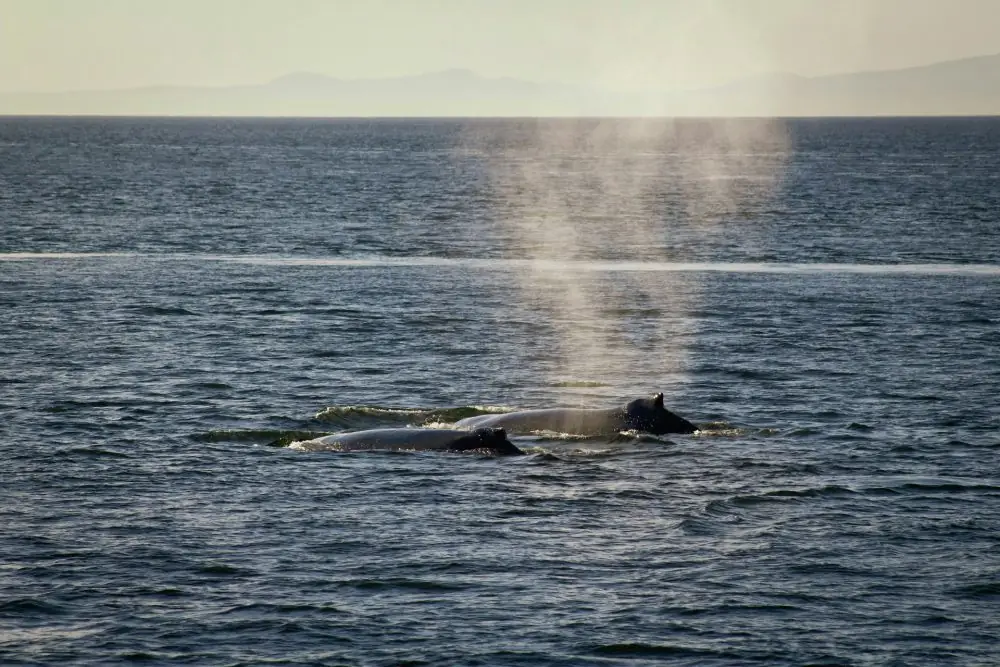
The goal here is simple but challenging: pick up the high-pitched calls of orcas. DAS already works great for the low, rumbling songs of giant whales like blues and fins. But orcas don’t sing. They click and call in high frequencies. Picking up those sharp sounds from far away pushes the limits of the technology.
Still, the team is hopeful. If they can tune into those orca calls clearly, it would change everything. Scott Veirs, president of Beam Reach Marine Science and Sustainability, says this would enable scientists to respond to orca activity in real-time. That means better protection when it matters most.
Protecting Orcas in Real Time
Orcas are in serious trouble. There are only 73 Southern Resident killer whales left. Their food supply is shrinking, boat traffic stresses them out, and underwater noise messes with their ability to communicate and hunt. DAS could help fix that.
With a live feed of where whales are and what they’re doing, conservation groups could set temporary slow zones for ships or pause noisy construction work. Over time, the data could help shape long-term policies, like creating quiet zones or preserving feeding grounds.
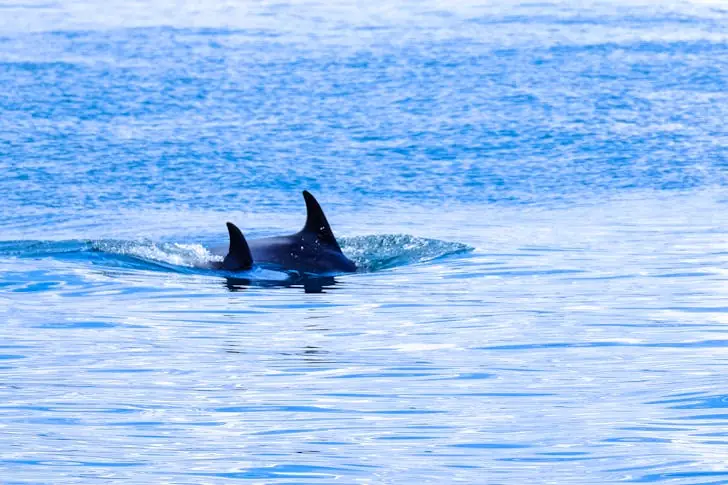
One day, they might even be able to recognize individual whales by their voices. That would be a huge leap in understanding orca culture and social life.
However, the world already has about 870,000 miles of underwater fiber-optic cables. They are mostly used for internet traffic, but now scientists are realizing that those cables could be reused as a massive listening network.
Instead of deploying new sensors throughout the ocean, we could tap into what is already there. Yuta Masuda, director of science at Allen Family Philanthropies, notes that one of the biggest challenges in conservation is the scarcity of reliable data. DAS could change that almost overnight.