
Researchers have created an embryo-like model from stem cells during a breakthrough development at the University of Cambridge. It will allow scientists to study the ‘black box’ period of human development known as gastrulation. Causes for medical issues linked to infections, alcohol, diseases, and medication can be revealed with this study’s help.
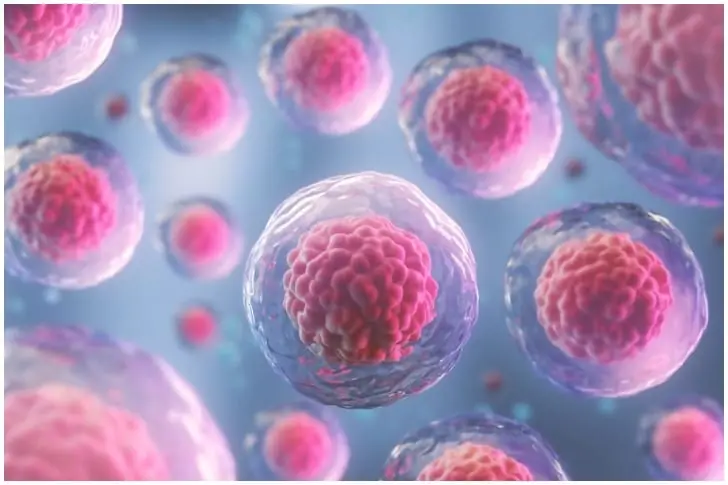
This is groundbreaking study of the gastrulation phase
The model can produce a part of a human’s blueprint, which till now was hidden. It is because using the culture of human embryos in a lab after 14 days is banned.
Why is the Study Important?
The gastrulation period is significant for the study of the human development process to shed light on conditions such as miscarriages, genetic disorders, and infertility. During this time, the three most important layers – the mesoderm, ectoderm, and endoderm are formed, and these are responsible for creating the body’s gut, muscles, and nervous system.
These stem cells can help detect issues during child birth
Professor Martinez-Ariaz and his colleagues developed the model by placing the embryonic stem cells into small wells to create a simulated version of ‘gastruloids.’ The whole process mimics how original human embryos form within 18-21 days of conceiving.
Inducing the model with chemical signals, the scientists observed that the gastruloids were lengthening from the head-to-tail axis. They were turning on genes in specific patterns that exhibited the process that creates multiple human body parts. In the actual development, the embryo then goes on to form bone, cartilage, and thoracic muscles.
The researchers hope to explain the causes of congenital disabilities and plan to develop tests that can show the same warning signs while pregnant.
The devastating reality is, in England and Wales, one in every forty-five baby has a disability since birth, with the most common being Spina Bifida, heart defects, and Down Syndrome.
What Were the Problems Faced till Now?

Research on real-life embryos are illegal in many countries
Till now, doctors had to rely on studying animals. This gave rise to the uncertainty of how similar their embryos were as compared to humans. Also, medicines such as Thalidomide, gave positive results when tested on mice but is known to cause a severe congenital anomaly. For this reason alone, it is pertinent to develop a life-like model of a human embryo.
The study of a real-life embryo is restricted due to legal and ethical violations.
Other experts who are not directly involved in this study are hopeful of its results as gastrulation is termed as ‘the most important stage in human life.’ Laws in many countries differ about research on a human embryo. In the UK and Japan, the research is allowed as the model developed does not contain brain cells to morph into a fully-grown individual. On the contrary, in the USA, these studies are strictly restricted.