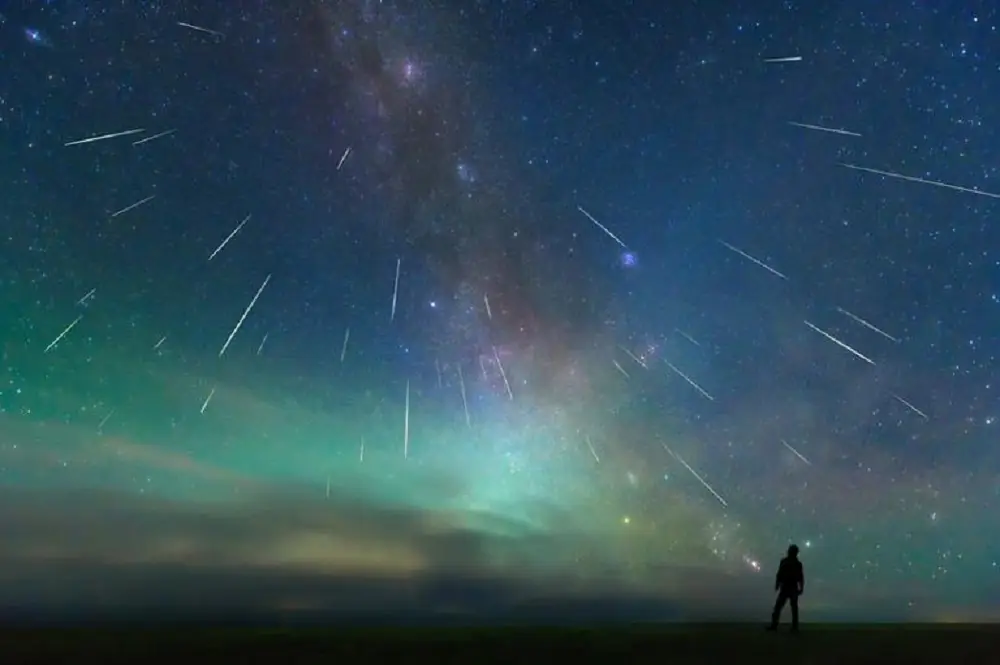
Meteor showers have always fascinated us. The streaks of light blazing across the night sky are a reminder of the vast and unpredictable universe we inhabit. While these events are a spectacle when observed from Earth, for spacecraft orbiting far above the protective atmosphere, meteor showers present a more complex and potentially hazardous situation.
Understanding Meteors, Meteoroids, and Meteorites
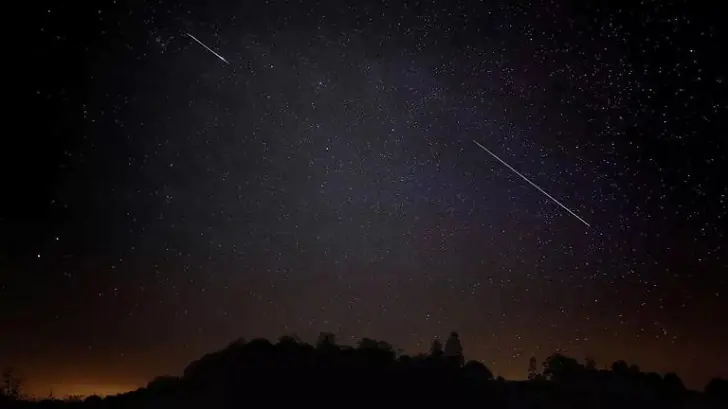
Before diving into the risks associated with meteor showers, it’s essential to clarify what we’re dealing with. A meteor is a piece of space debris that burns up upon entering Earth’s atmosphere, creating the bright flashes we see in the sky. When these fragments survive their fiery descent and reach the Earth’s surface, they are known as meteorites. Meanwhile, meteoroids are the space rocks still floating before encountering our atmosphere.

Meteor showers occur when Earth passes through a trail of debris left by comets or asteroids. These showers are predictable, and the events are often well-documented. However, not all meteors are part of a shower; sporadic meteors can occur at any time, and these are the ones that pose a constant, albeit low, risk to spacecraft.
Are Meteor Showers Dangerous to Spacecraft? The Real Risk
Spacecraft and satellites operate above Earth’s atmosphere without the protective barrier that shields us on the ground. This makes them vulnerable to collisions with meteoroids, which can cause significant damage.
Organizations like NASA recognize this risk and take it seriously. The majority of concerns stem from sporadic meteors rather than meteor showers themselves. These sporadic meteors are less predictable and can occur unexpectedly, making them a continuous threat. On the other hand, meteor showers, although intense, are temporary and their behavior is well-understood. This allows space agencies to predict their occurrence and plan accordingly.
Mitigating the Threat to Spacecraft
Spacecraft are designed with the understanding that they will encounter various risks in space, including meteoroids. For example, the International Space Station (ISS) has been in orbit since 1998 and has had to make course adjustments multiple times to avoid potential collisions with space debris, including meteoroids. Although there have been close calls, the ISS has so far avoided any major damage.
In situations where a significant risk is identified, astronauts onboard the ISS have had to seek shelter in escape modules, prepared to abandon the station if necessary. Fortunately, these measures have been precautionary, and the ISS has not sustained serious damage from meteoroids.
Satellites, which are less maneuverable than crewed spacecraft, face similar risks. Some have experienced damage due to meteoroid impacts, though most are equipped with shielding designed to mitigate the effects of smaller collisions.
Hazardous Meteor Showers: A Cause for Concern
Recent research has focused on identifying which meteor showers could pose a higher risk to spacecraft. A study conducted by NASA’s Meteoroid Environment Office, in collaboration with the University of Western Ontario, sought to quantify the potential hazards of meteor showers. The team evaluated 74 of the 110 recognized meteor showers and identified six that exceeded the threshold for being categorized as hazardous. These showers include the Geminids, Perseids, Quadrantids, and others well-known for their intensity.
The criteria for determining a hazardous shower involve assessing the meteoroid flux—the number of meteoroids that strike a spacecraft per unit of time. The shower is considered potentially dangerous if this flux exceeds the sporadic rate by 5%. While the study does not suggest drastic mitigation measures, it highlights the need for continuous monitoring and careful planning during these events.