Lifestyle brands in 2026 do not sit quietly on shelves or wait for attention. They move with people through their days and feel present without feeling pushy. The strongest brands act more like living systems than product companies. They stretch across habits, values, and routines in ways that feel natural.
This shift did not happen overnight. Rising costs, crowded markets, and tired consumers forced brands to change or fade. People now expect brands to stand for something real and show up consistently. Products still matter, but meaning matters more.
The Core Philosophy, Brands That Feel Lived In
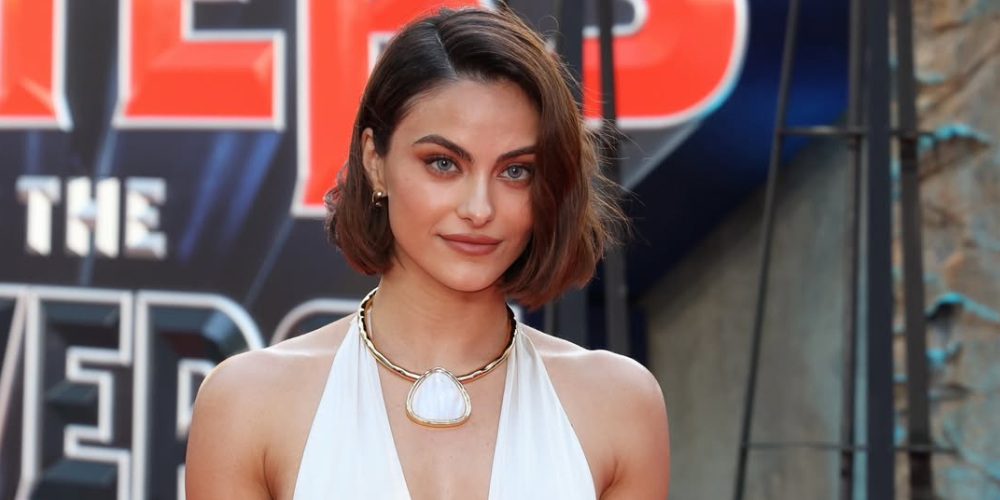
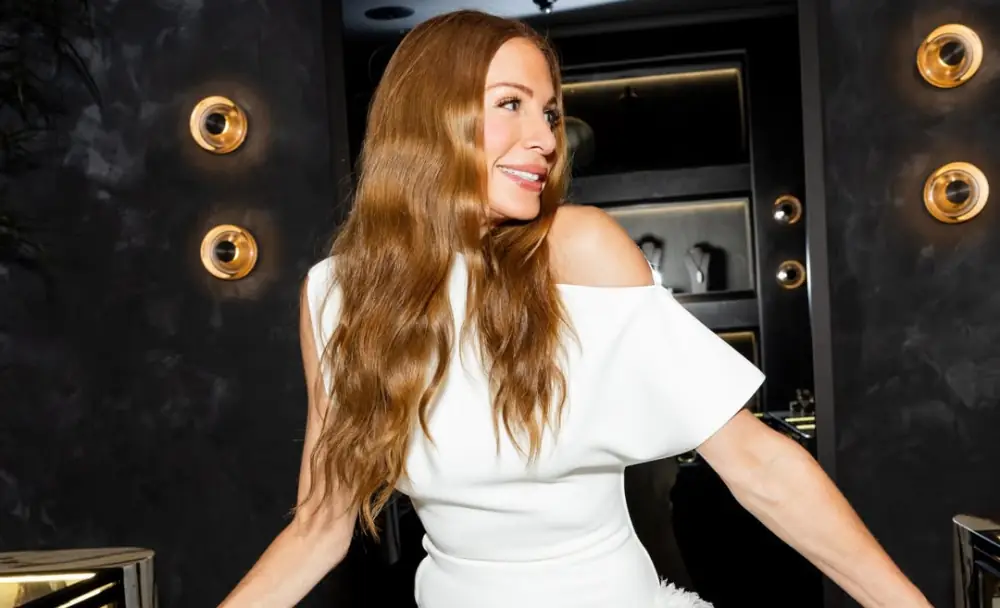
As demonstrated by designer Jennifer Fisher, her journey (from designing jewelry inspired by motherhood to sharing recipes and creating her own salt blends) was a natural evolution of her personal interests. This authenticity creates a genuine narrative that customers connect with.
Customers feel that honesty immediately. It creates trust before a sale ever happens. These brands grow sideways instead of straight up. Jewelry can lead to food, wellness, or home, if the story makes sense. When expansion mirrors real life, it feels earned. People follow because the brand feels human, not engineered.
Authenticity also comes from restraint. Brands do not chase every category or audience. They choose what fits and ignore the rest. That clarity gives customers confidence and keeps the brand voice sharp.
How Modern Brands Actually Grow?
Growth in 2026 begins online, but it does not end there. Social platforms act as testing grounds, storefronts, and feedback loops. Founders share more of themselves, and customers respond with data, not just likes.
When something sells out fast, brands listen. They adjust designs, pricing, or formats based on real behavior. This makes launches smarter and reduces waste. Growth feels collaborative, not forced.
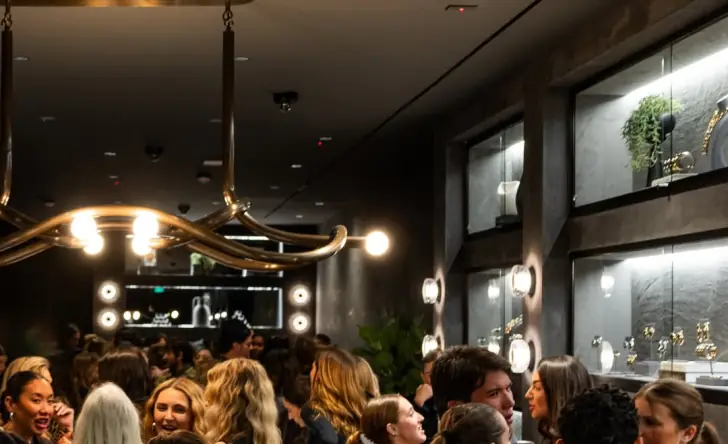
Physical spaces still matter deeply. Stores are no longer just places to buy things. They act as social anchors where people gather, learn, and connect. A great store feels like a local spot, not a showroom.
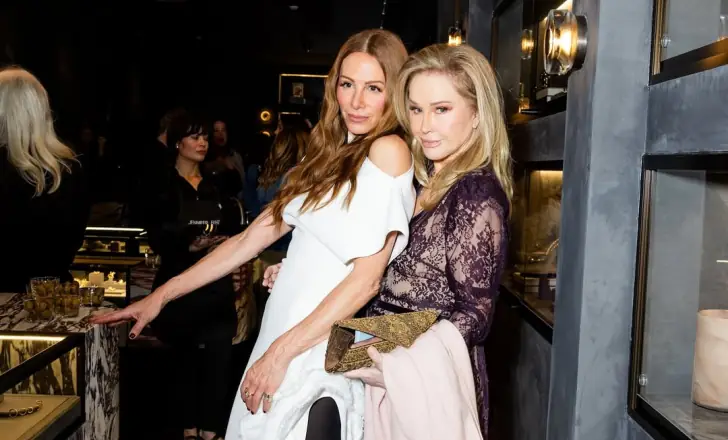
In cities like Los Angeles, brands earn loyalty by showing up offline. Events, partnerships, and small rituals build emotional memory. When people feel seen in real life, they stay longer. Collaboration replaces competition in this new landscape. Founders share resources, audiences, and ideas. This openness helps smaller brands survive tough conditions and grow faster together.
What the 2026 Consumer Cares About Most?
Mental fitness becomes as important as physical health. Brands support calm, resilience, and recovery. Travel, food, and beauty blend into one bigger idea of feeling good over time.
Consumers also want balance with technology. Screens still matter, but people crave breaks from constant noise. Brands that respect attention earn deeper trust.
This shift shows up in products that last. Clothing feels timeless with small points of personality. Objects invite touch, use, and care. Digital minimalism pairs with a love for physical experiences.
Community shapes brand identity more than advertising ever could. The strongest brands speak to specific groups with shared interests. They grow through connection, not mass appeal. People want to feel like insiders, not targets. When brands invite customers into the story, loyalty follows. Shared wins feel personal.
Operational Reality Behind the Vision
Behind the scenes, survival requires discipline. Direct-to-consumer sales give brands control and clarity. Owning the customer relationship protects margins and insight.
At the same time, smart partnerships help brands scale. Joint ventures unlock supply chains and global reach. Founders often stay close to the brand voice to protect integrity. Economic pressure forces brands to adapt pricing and product mix. Offering accessible options keeps communities intact during hard times.