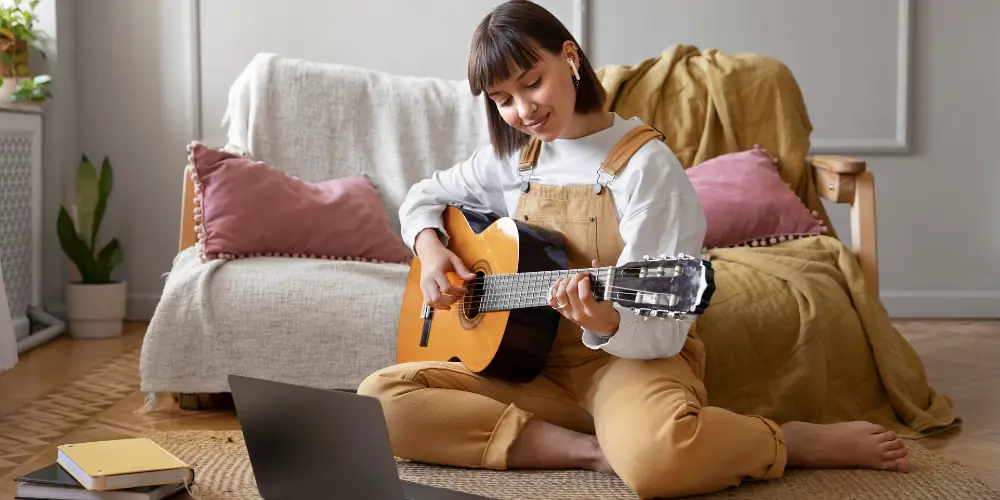
Free time has become one of the most overlooked parts of modern life. According to data from the Bureau of Labor Statistics, the average American gets more than five hours of leisure time every day. That number stays fairly consistent across income and education levels. Yet much of that time disappears into scrolling social media feeds, watching TV, or switching between screens.
A recent survey found that nearly 90% of Americans have a hobby. Still, most spend less than five hours a week actually doing it. At the same time, people now spend more than two hours daily on social media alone.
While screen-based entertainment can help people relax, researchers say hobbies offer something far more lasting: purpose, growth, and emotional balance.
Why Hobbies Feel Different
Experts who study leisure activities often separate hobbies from passive downtime. Watching television or browsing social platforms may provide temporary enjoyment, but hobbies demand participation, attention, and skill-building.
Daisy Fancourt, a professor of psychobiology and epidemiology at University College London, explains that hobbies stand apart because they involve learning and personal progress.
“One thing that separates a hobby from other kinds of leisure is that it involves the acquisition of skills, or learning,” Fancourt says. “Hobbies provide a sense of accumulation and growth—of stretching ourselves to improve or to meet new goals—and that can help us fulfill our needs for meaning and purpose.”
That feeling of growth matters more than many people realize. Research conducted by Fancourt and her colleagues found that older adults with hobbies often report greater happiness, lower levels of depression, and stronger life satisfaction. Similar patterns appear among younger adults as well. Studies repeatedly connect hobbies with lower stress, reduced anxiety, and improved mental health.
More Than Just Passing Fun

Not every enjoyable activity creates the same emotional impact. Researchers often describe happiness in two categories: hedonic and eudaimonic well-being.
Hedonic happiness comes from quick pleasures. Eating favorite foods, laughing at a funny video, or binge-watching a series can create short bursts of enjoyment. Eudaimonic happiness runs deeper. It comes from activities that create fulfillment, achievement, and a sense of identity.
Hobbies tend to fall into the second category.
Yazdan Mansourian, a leisure researcher at Charles Sturt University, describes hobbies as “serious leisure pursuits” because they often shape how people see themselves.
“They support the more authentic dimensions of life and create conditions for self-actualization,” Mansourian says. “People are not only doing what they enjoy, but becoming who they really want to be.”
That distinction explains why hobbies often feel restorative in ways passive entertainment does not. Work achievements usually connect to salaries, deadlines, or performance reviews. Hobbies operate differently. The reward comes from the process itself rather than outside validation.
What Actually Counts as a Hobby?
The definition can be broader than expected. According to Jessica Bone, hobbies are unpaid activities pursued for enjoyment and personal satisfaction. They also require active participation instead of passive consumption.
“It’s something done for its own reward or pleasure, not for money,” Bone explains. “You’re actively creating something or investing your energy and resources in something that builds your skills or competencies.”
Many hobbies share similar traits:
– Creativity
– Sensory engagement
– Cognitive stimulation
– Self-expression
– Social interaction
– Skill development
Exercise can qualify as a hobby, especially when it involves progression or community participation. Gardening, painting, crafting, language learning, collecting, photography, and dance also fit into the category.
Bone notes that hobbies often strengthen confidence because they allow people to use abilities that everyday jobs may not require.
“Hobbies can help build our self-esteem and confidence,” she says. “They give us an opportunity to use our brain or social skills or abilities in ways that our jobs might not provide.”
Why People Struggle to Find a Hobby
Despite understanding the benefits, many adults still feel stuck when trying to choose a hobby. Part of the challenge comes from pressure. People often believe they must instantly find the “right” activity or become good at it quickly.
Researchers say that mindset usually backfires.
In the United Kingdom and parts of the United States, healthcare providers have started using “social prescribing.” Instead of only recommending medication, doctors sometimes encourage patients to join hobby groups, outdoor activities, or creative programs that support emotional well-being.
Bone says these conversations often focus on identifying personal interests rather than forcing a trend-driven activity.
“The kind of conversation that often happens is about what matters to you—whether that’s time outdoors or time with other people—and how to fill any gaps with hobbies that appeal to you,” she explains.
The key is curiosity instead of perfection.
The Science Behind Creative Hobbies
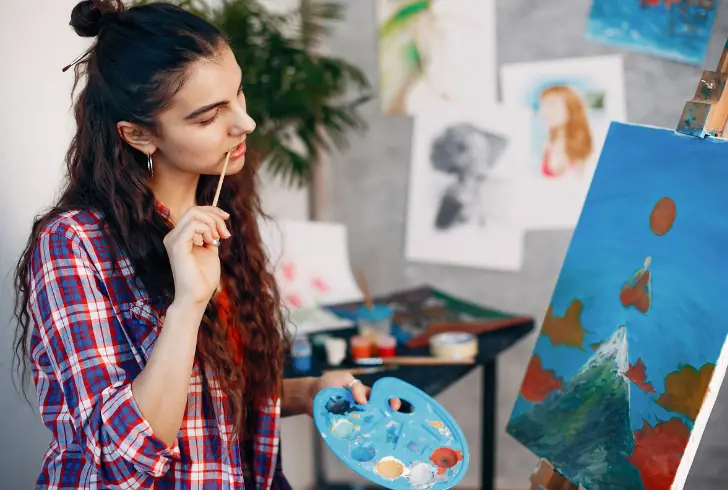
Creative hobbies continue to attract growing scientific interest. In the book “Art Cure: The Science of How the Arts Save Lives,” Fancourt examines how music, painting, dance, and other artistic activities affect mental and physical health.
Research highlighted in the book connects arts engagement with reduced stress, improved emotional health, and lower risks of conditions such as depression and dementia.
“Arts engagement provides multisensory stimulation, and it involves creativity and imagination,” Fancourt says.
Trying different creative activities may help people discover interests they never expected to enjoy. Dance classes, sketching, pottery, singing, or learning an instrument can all offer surprising emotional rewards.
Fancourt recommends giving any new hobby enough time before deciding whether it works.
“If you stay with it for a few months, that often changes the experience so that you feel more comfortable and confident doing it,” she explains. “Typically, studies show improvements in mental health and wellbeing within three months.”
That adjustment period matters because early discomfort often disappears with repetition and familiarity.
Choosing a Hobby That Actually Lasts
A lasting hobby usually starts with genuine interest rather than productivity goals. Mansourian encourages people to pay attention to activities that naturally pull their attention.
“I would suggest starting not with the question ‘What should I do?’ but ‘What pulls me?’” he says.
That approach removes unnecessary pressure. A hobby does not need to generate income, impress others, or produce measurable success. The value often comes from immersion, curiosity, and steady personal growth.
Simple activities can become deeply rewarding when practiced consistently. A weekend gardening habit, evening drawing sessions, or learning conversational Spanish for twenty minutes a day can create structure, satisfaction, and mental clarity over time.
Modern routines often leave little room for creativity or personal fulfillment. Hobbies offer a break from constant screen time and work pressure while giving people a chance to focus on something meaningful.
Studies consistently link hobbies with lower stress levels, improved confidence, and greater overall satisfaction. Activities driven by curiosity and genuine interest tend to feel more rewarding over time, especially when explored without pressure or expectations.
Trying different experiences can help people discover interests that naturally fit their personality and lifestyle.