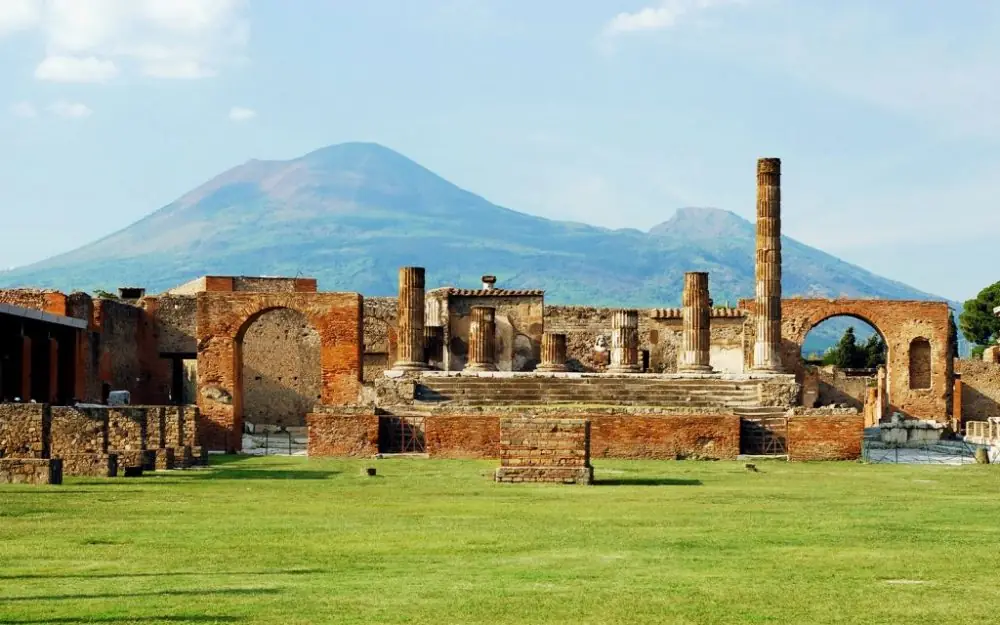
Pompeii, once a thriving Roman city, was frozen in time by a volcanic eruption in A.D. 79. The eruption of Mount Vesuvius buried the city under layers of ash and pumice, preserving it for centuries as a snapshot of ancient life.
Today, Pompeii offers more than just an archaeological site. It teaches us valuable lessons about life, death, and the unpredictable nature of time.
Pompeii’s Lesson on the Fragility of Life
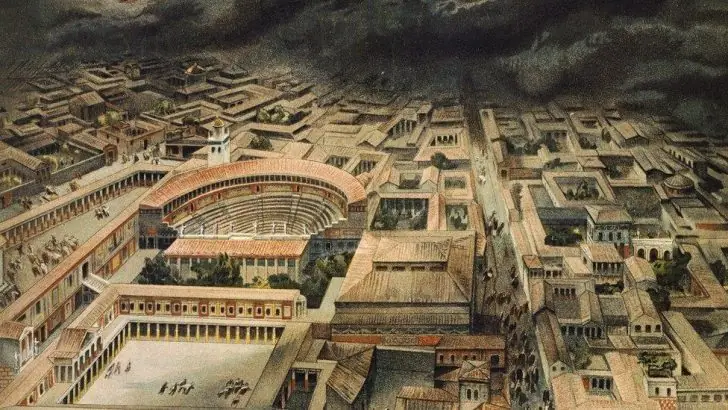
Standing in the ruins of Pompeii, it is hard to ignore how fragile life really is. The city, once filled with bustling streets, vibrant marketplaces, and lively homes, now lies in ruins, buried beneath a thick layer of ash. The eruption happened so quickly that many residents had no time to flee, leaving behind everything they knew in the blink of an eye. This tragic moment serves as a reminder of how quickly life can change.
Be it our health, our relationships, or our time, we are reminded that nothing is permanent. The remains of Pompeii offer an eerie but powerful reminder: life can end without warning. So, we should make the most of every moment.
The Genius of Art and Culture
One of the most fascinating things about Pompeii is how well its art and culture have been preserved. Frescoes, mosaics, and everyday items give us a glimpse into Roman life in a way that no historical document ever could.
From the colorful murals decorating the walls of homes to the remnants of daily tools and furniture, Pompeii’s artifacts speak volumes about the ancient world.
These relics are ‘time capsules’ that teach us about human creativity and resilience. The people of Pompeii lived in a world where life was rich with culture, art, and luxury.
Lesson on Death
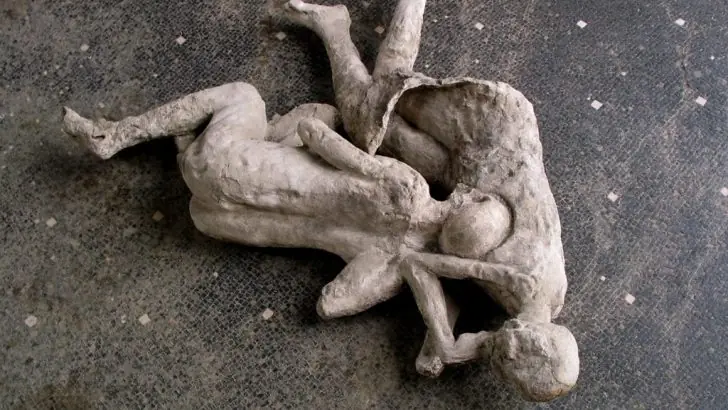
What makes Pompeii particularly haunting are the bodies that were preserved in the ash. Archaeologists have discovered casts of people in their final moments, frozen in poses that capture the horror and shock of their sudden demise. Some were found trying to escape, others were still clutching their loved ones.
These remains provide an unsettling but valuable perspective on how humans confront death.
In the face of such destruction, it is clear that no one is immune to death. The people of Pompeii didn’t get to choose their end, just as we often don’t have control over our own mortality. But what Pompeii teaches us is that we can choose how we live, even in the face of death.
The Incredible Preservation of Human Stories
Beyond its ruins, Pompeii gives us something even more valuable: human stories. These stories come to life through the excavations and the careful preservation of the site. It is not just the grand houses or ornate public baths that captivate us, but the smaller, more intimate details: The remnants of a child’s toy, a half-eaten meal, the inscriptions on walls that tell of everyday life.
These stories remind us that history is not just made up of kings and generals, but of regular people trying to live their lives.
Plus, Pompeii’s preservation allows us to connect with those who lived there, despite the vast time gap. Through these small details, we learn that the people of Pompeii were not unlike us. They had their hopes, fears, joys, and struggles.
Perhaps one of the most profound lessons Pompeii offers is the emotional impact of its tragedy. Standing among the ruins, it is impossible not to feel a deep sense of loss. The city was once full of life, and its sudden destruction forces us to confront our own mortality. Yet, in that loss, there is also a strange sense of beauty.