Living into the 80s feels like a milestone, yet more people are reaching 100 and beyond. Scientists, doctors, and everyday families keep asking, what makes some thrive far longer than average?
The answer lies in a mix of luck, biology, lifestyle, and social connection. While genetics play a strong role, daily choices shape the chances of enjoying life well past the usual span.
The Role of Genetics in Longevity
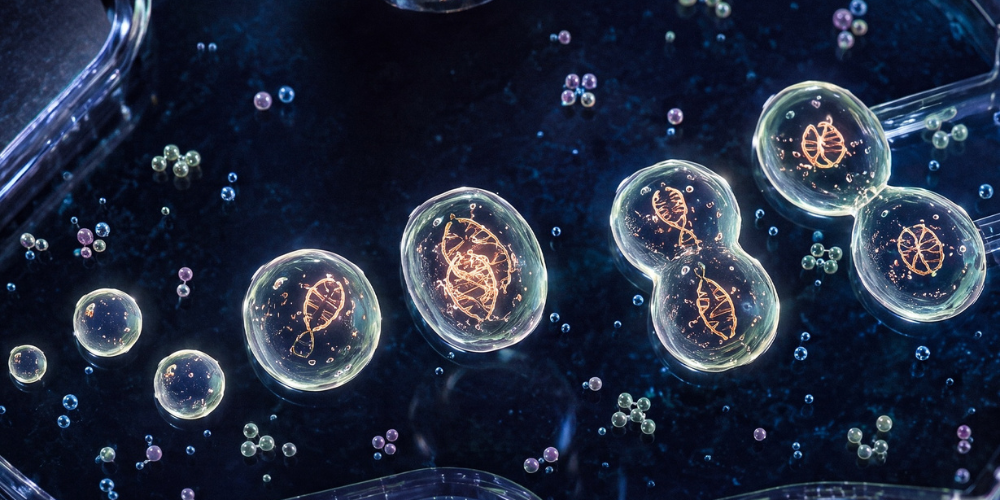
Some people inherit what researchers call “longevity genes.” These unique variants protect against common age-related diseases like heart problems and diabetes. Twin and family studies suggest that about 30% of extreme longevity is passed down.
Women appear especially likely to reach 100. Globally, three out of four centenarians are female, and nearly every record-holder for the oldest living humans has been a woman. Families with clusters of superagers show how powerfully genetics can influence outcomes.
Yet genes alone don’t guarantee a long life. They provide a foundation, but lifestyle and environment remain critical.
Why Lifestyle Still Matters
A study in 2011 looked at 477 Ashkenazi Jews over the age of 95. Surprisingly, their habits—diet, alcohol intake, body weight, and exercise levels—didn’t differ much from the general population born in the same era. Some drank regularly, others didn’t exercise more than their peers, yet they lived much longer.
This unusual finding highlights how genes shield some people. But for most, lifestyle becomes the deciding factor. Experts point to four essentials, exercise, diet, sleep, and social connection. Together, these create a safety net that supports health even after 80.
The Power of Exercise
Movement keeps bodies strong and flexible. Older adults especially benefit from balance exercises that lower the risk of falls. Activities like yoga, tai chi, or resistance band training build stability and confidence.
Strength training also prevents muscle loss, which naturally occurs with age. Even light weights or bodyweight exercises a few times a week help maintain independence. Walking remains one of the simplest tools—just 30 minutes a day boosts circulation, mood, and heart health.
Sleep, The Silent Healer
Rest restores the body in ways no pill can. Experts recommend about eight hours each night for older adults. Sleep quality often matters more than quantity, though.
Simple habits can improve rest:
1. Following a 10-3-2-1 method (no caffeine 10 hours before bed, no heavy meals three hours before, no work two hours before, no screens one hour before).
2. Keeping a dark, cool bedroom.
3. Waking up and sleeping at consistent times.
These changes regulate hormones and give the brain time to clear waste linked to memory decline.
Diet – Fueling Longevity Naturally
The Mediterranean diet stands out as one of the most effective approaches for long life. It emphasizes olive oil, fresh vegetables, legumes, fish, and nuts. Studies show it lowers risks of heart disease, diabetes, and dementia.
Intermittent fasting also appears helpful. The 16:8 method—fasting for 16 hours and eating within an eight-hour window—supports metabolic health and reduces inflammation. When paired with whole foods, it helps maintain a balanced weight and reduces chronic disease risks.
Protecting Cognitive Strength
Mental sharpness predicts survival in later years even more than physical ability, according to a 2024 study tracking participants into their 90s and beyond.
Building what researchers call “cognitive reserve” keeps the brain resilient. Learning new skills, reading regularly, and even playing musical instruments form new connections. People who engage in lifelong learning often delay the onset of dementia and other cognitive issues.
Early life also shapes brain health. Education levels, childhood environment, and IQ at a young age influence cognitive strength decades later. Still, active learning later in life offers powerful benefits, no matter one’s starting point.
The Power of Social Connections
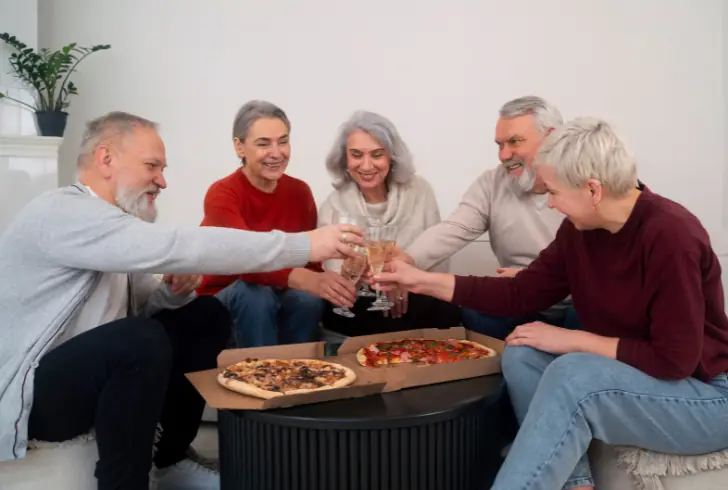
Friendship and emotional bonds extend life in ways science now recognizes as crucial. Studies from Sweden showed that older adults with close social ties outlived those who felt isolated.
Conversations, shared meals, and regular interaction strengthen resilience against stress and depression. Life satisfaction—feeling content with one’s past and hopeful for the future—also increases longevity. People reporting higher satisfaction levels tend to live longer, healthier lives than peers with low satisfaction.
The Role of Modern Medicine
Genetics and lifestyle aren’t the only factors. Modern science continues to uncover new ways to support longevity. Certain drugs originally designed for other conditions show promise in delaying aging processes.
1. Metformin – Traditionally for diabetes, it reduces inflammation and lowers risks of age-related disease.
2. GLP-1 agonists – Popular drugs like Ozempic and Wegovy, known for weight management, also affect metabolic aging.
3. SGLT2 inhibitors – Used for diabetes, they protect heart and kidney health.
4. Zoledronic acid – An osteoporosis treatment that may influence cellular aging.
While these drugs aren’t yet prescribed strictly for aging, researchers believe they could reshape how society manages old age.
Real-World Habits That Support Longevity
Looking at people in “blue zones”—regions with high numbers of centenarians—offers insight. In Okinawa, residents enjoy plant-heavy diets and strong community bonds. In Sardinia, walking steep hills daily keeps joints and hearts strong. In California’s Loma Linda, social groups emphasize rest, community meals, and plant-based eating.
These habits prove that small, consistent choices, combined with meaningful connections, can extend both lifespan and health span.
Living with Purpose Extends Years
Science confirms that genetics matter, but lifestyle, mindset, and community shape the real story. Daily routines—whether a brisk walk, a Mediterranean-style meal, or a call with a friend—add up to stronger health. Social ties, mental sharpness, and optimism often separate those who reach 80 from those who thrive into 100.
Longevity may never come with guarantees, but choices today create opportunities tomorrow. With the right mix of healthy habits and supportive connections, life beyond the average span looks not only possible but deeply rewarding.