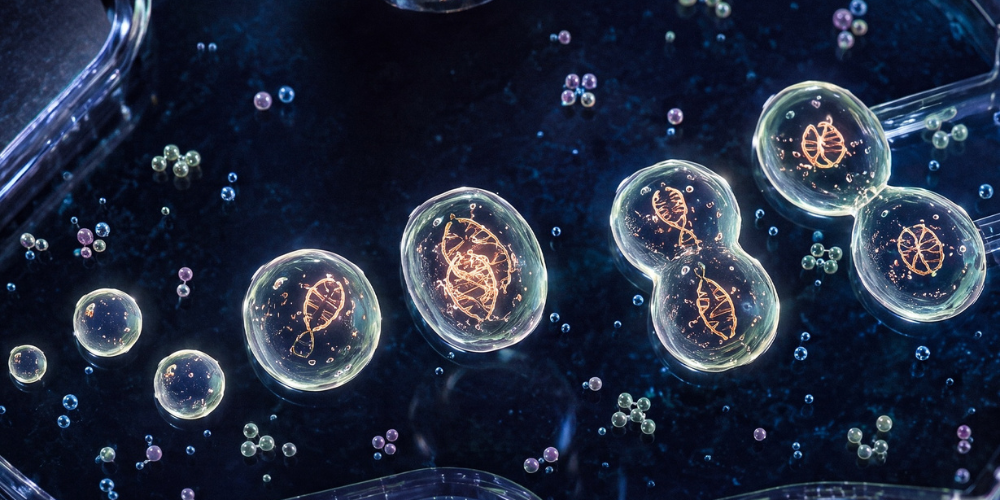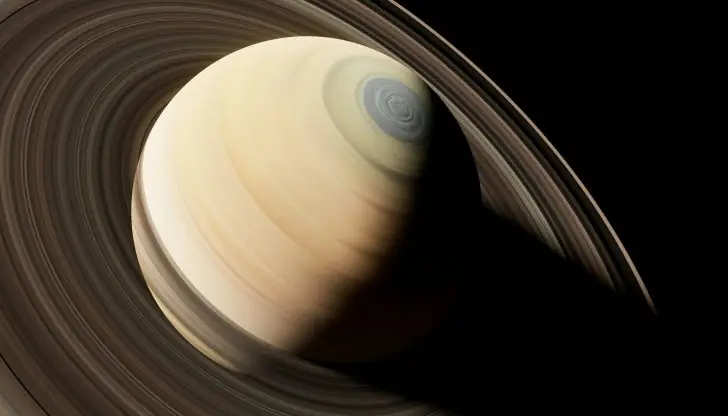
This small moon isn’t just a frozen chunk of rock. It has got a liquid ocean under its icy shell, it has got heat, and now, it has got chemicals that scientists think could kickstart life. All this is happening over 900 million miles away, and it is reshaping what we thought we knew about where life might exist.
Enceladus orbits Saturn like any other moon, but that is where the normal stuff ends. It is tiny, just 310 miles wide, but it is one of the most reflective objects in our solar system. That is because it is covered in bright, clean ice.
Under that shell is a global saltwater ocean. That ocean is heated from below by the moon’s rocky core. Cracks near the south pole, known as “tiger stripes,” shoot huge plumes of water vapor and ice into space. These geysers are more than dramatic. They are giving scientists a direct sample of what is hiding under the ice.
Cassini flew through those icy plumes multiple times and analyzed the particles and gases shooting out of Enceladus. Scientists have found organic compounds, which are carbon-based chemicals that serve as the building blocks for all living things. Not just simple ones either, but complex molecules like ethers, esters, and alkenes, which are needed to form lipids, a key part of cell membranes.
One of the most significant recent discoveries was the identification of hydrogen cyanide. That might sound scary, but in chemistry, it is gold. It is known to trigger the kinds of reactions that lead to amino acids, which make up proteins, the stuff life is built from. Finding it in such a young ice grain from Enceladus suggests this isn’t old or leftover stuff. It is still active.
The Moon Packs a Chemical Punch
But life doesn’t run on ingredients alone. It needs energy too. Luckily, Enceladus seems to offer that as well.
The ocean beneath its surface contains oxidized organic compounds. These molecules can create powerful energy reactions. Think of it like a chemical car battery, small but steady energy output that could keep microscopic life alive. This is a big leap from earlier theories that suggested only minimal energy sources on Enceladus.
And the list keeps growing. Scientists have already confirmed that Enceladus has salt, methane, carbon dioxide, and even phosphorus. Each one of those is essential for supporting life as we know it. When you put all of this together, you have a place that checks almost every box for habitability.
Saturn’s Cassini Mission Changed the Game
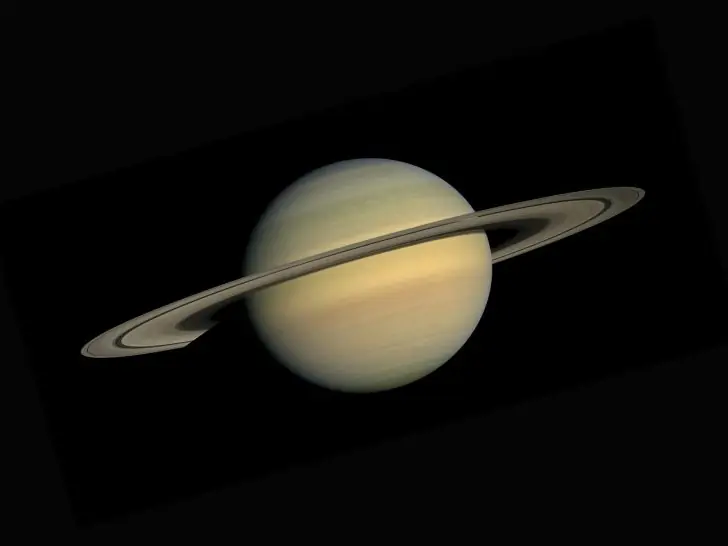
All of this data came from a single mission. Cassini orbited Saturn for 13 years. On multiple flybys, it got close enough to fly right through the plumes coming from Enceladus. Its instruments scooped up ice grains and analyzed gases in real time. That is how we know what is inside.
Discoveries like hydrogen cyanide came long after the spacecraft was gone. It shows how rich that data really is.
With so many clues pointing toward possible life, Enceladus has become a hot target for space agencies. The European Space Agency is planning a new mission that is expected to launch around 2042.
The mission would include an orbiter to fly through the plumes again, but this time with even better tools. It would also have a lander to touch down near the tiger stripes and dig in.