
Layoffs have a clear meaning, even if companies try to soften the blow. A layoff is the temporary or permanent end of a job for business reasons, like cost cuts or lack of work. It is not the same as being fired for poor performance. The word once meant a pause. Today, it often means the role is gone for good.
That shift matters because layoffs are now hitting levels not seen in five years. In the first eleven months of 2025, U.S. employers announced more than 1.17 million job cuts, according to Challenger, Gray & Christmas. That is a 54% jump from the same time in 2024.
It is the highest total since 2020, when the pandemic froze the economy.
AI sits right at the center of this spike. Companies are not just trimming fat. They are replacing tasks. In 2025 alone, nearly 55,000 layoffs were tied directly to artificial intelligence. That number is small compared to the total, but it sends a loud message.
The tech sector feels the heat first, but it is not alone. Insurance firms, automakers, media groups, and telecom giants all announced cuts this year. When names like Volkswagen and Verizon start trimming teams, it shows the trend is broad. AI tools are spreading fast, and no white collar role feels fully safe.
How Companies Cut Jobs and Often Get It Wrong?

The legal line for a mass layoff often starts at 50 people, but the emotional impact hits much sooner. For workers, the label does not matter. The job is still gone.
Some firms try to soften the landing. Severance pay, career coaching, and voluntary exit programs are common. These steps help, but they do not erase the shock. When a paycheck disappears, even a generous package feels thin. Timing and tone matter more than most leaders realize.
Poor handling can turn a bad moment into a public mess. In past cases, executives made the news for the wrong reasons. One posted a tearful selfie online. Another buried the news deep in a long email. Some told hundreds of people on a short video call, then cut access to systems without warning.
The Ripple Effect Nobody Can Ignore
The damage from layoffs does not stop with the people who lose their jobs. Research from Stanford University shows that being laid off can cut lifetime earnings by nearly 20%. That hit is worse during a weak economy. Skills fade. Confidence drops. Getting back in takes longer than most expect.
The stress runs deep. Bills pile up. Health worries grow. Even after landing a new role, many workers never fully recover financially. A layoff can change a career path forever, not by choice, but by force.
Those who stay feel it too. Survivors often carry guilt and fear. Surveys show that 65% of workers at companies with recent layoffs worry about their own jobs. At firms without cuts, that number sits closer to 24%. Anxiety becomes the norm.
Productivity drops as well. A study by Leadership IQ found that 74% of remaining employees reported lower output after layoffs. People do more work with fewer hands, all while wondering if they are next. Burnout follows fast.
Zoom out, and the economy feels it. When many workers flood the job market at once, wages stall. Hiring slows. Even people who keep their jobs lose leverage. Layoffs create a ripple that touches whole regions, not just single offices.
Amazon Shows How AI Drives These Decisions
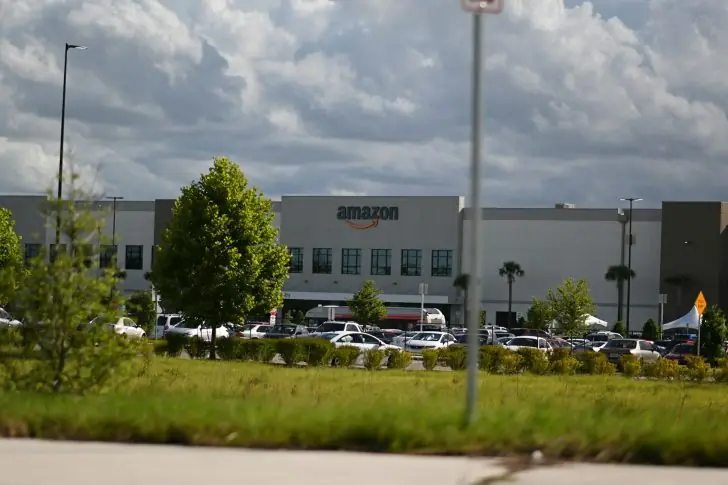
The company said it was shifting money toward artificial intelligence while trimming other areas.
The tech giant gave affected workers 60 days to look for other roles inside the company. Those who did not land one received severance, job placement help, and extended health coverage.