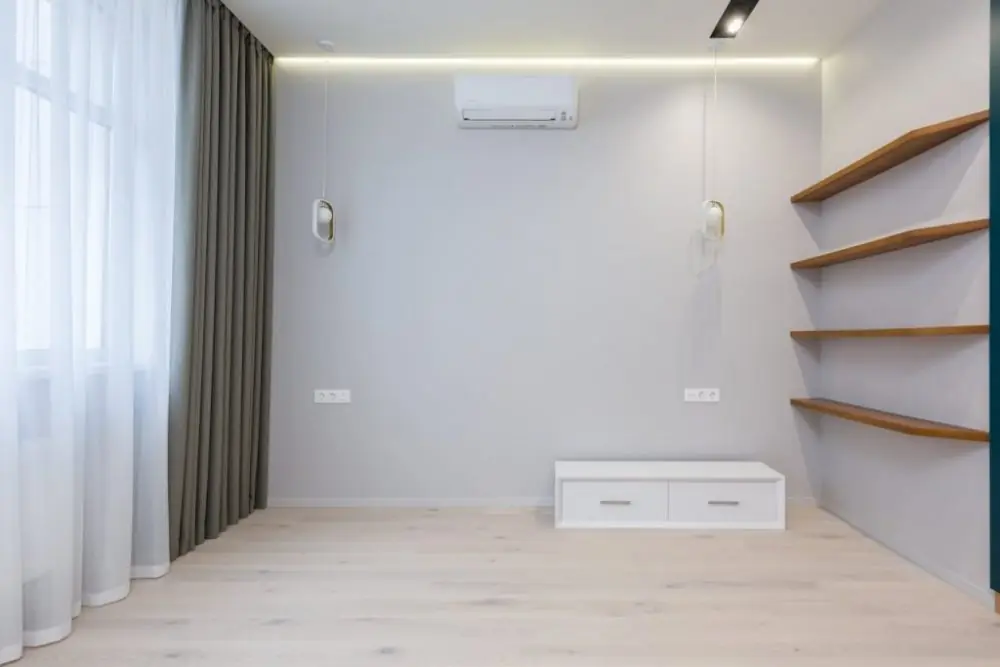
Turning off the air conditioner while you are not home might seem like a sane idea to lower your electricity bill. However, pros suggest that turning off your AC in the summer might not have the financial benefits you expect. So, will turning off AC save money?
Let’s dive into the details.
Will Turning Off AC Save Money?
At first glance, turning off your air conditioner when you leave home seems like a great way to save on your electricity bill. But the reality is more complex. When you turn off your AC and then turn it back on, it goes full-throttle to cool down your home again. This process consumes a significant amount of energy, potentially offsetting any savings from turning it off in the first place.

Turning off your air conditioner can lead to higher energy consumption due to the strain of cooling down a hot house. When your home heats up while you are away, the AC has to work much harder to bring the temperature back to a comfortable level. This intense energy use can spike your electricity bill, contrary to what you might expect.
Apart from that, the repeated on-and-off cycles can wear out your AC system faster. This means you will potentially face higher maintenance costs and a shorter lifespan for your unit. The effort of restarting and cooling down your house can be more expensive in the long run than maintaining a consistent temperature.
Follow the Moderate Temperature Approach
Instead of turning off your AC, it is best to set it at a moderate temperature all day long. Keeping your air conditioner running at a steady pace avoids the intense energy use of cooling a hot home. By setting your thermostat to a higher temperature when you are not home, you can still save energy without the drawbacks of turning your AC off entirely.

A small adjustment in your thermostat settings can make a big difference. Data shows that keeping your temperature just a degree Fahrenheit warmer consistently could save you about 3% on your monthly energy costs. This simple strategy can lead to significant savings over time.
Optimal Temperature Settings for Maximum Savings
For a 10% savings, the Energy Department recommends increasing your thermostat by seven to ten degrees for eight hours each day. This tactic works best when you are away from home, such as during work hours. By doing so, your AC maintains a manageable workload, reducing wear and tear and saving energy.

This strategy is especially effective in milder climates where temperatures or humidity are not too extreme. If you live in such a region, you will find it easier to maintain a comfortable indoor environment without overburdening your AC.
Regular Maintenance Will Keep Your AC Efficient
Keeping your air conditioner in top shape is crucial for energy efficiency. Regular maintenance, such as cleaning or replacing filters, checking for leaks, and ensuring the system is running smoothly, can prevent energy waste. A well-maintained AC unit runs more efficiently, uses less energy, and costs less to operate.
Scheduling annual check-ups with a professional can help identify potential issues before they become major problems. This proactive approach not only saves energy but also extends the lifespan of your AC system.