Climate change discussions often focus on industries, governments, and energy systems. Yet a growing body of research points to another major factor: extreme wealth.
A recent report from Greenpeace Africa highlights how a very small group of ultra-wealthy individuals carries a disproportionately large share of climate responsibility through high-emission investments and carbon-intensive lifestyles.
The findings add a new dimension to the debate over who should contribute most to addressing the climate crisis.
What Is Climate Debt?
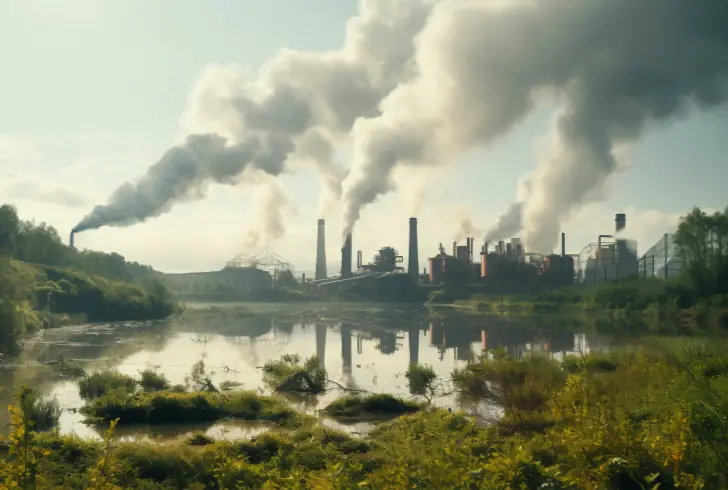
The Greenpeace Africa report defines climate debt as the financial value of climate damage caused by emissions that exceed a fair share of the remaining carbon budget needed to keep global warming within the 1.5°C target.
This measurement assigns a monetary value to the environmental harm caused by excessive emissions.
According to the report, the investments of the world’s richest 0.01% generated an estimated climate debt of US$992 billion in 2022. In comparison, their consumption-related climate debt totaled approximately US$405 billion that same year.
The figures suggest that investment activities create a much larger climate impact than personal consumption alone.
Why Wealth Concentration Matters
The report shows a direct connection between rising wealth concentration and increasing climate debt. As wealth accumulates among a small number of individuals, the climate costs linked to that wealth also rise significantly.
A major finding centers on ownership-based emissions. These emissions come from investment portfolios, business holdings, and other capital assets. The report notes that ownership-based emissions are far more concentrated among the wealthiest groups than consumption-based emissions. This pattern highlights how investment structures and capital ownership contribute to unequal climate responsibility on a global scale.
At the same time, ownership-based climate impacts remain concentrated in wealthy groups and specific jurisdictions. Many countries facing the most severe climate risks, climate-related losses, and climate finance shortages are located elsewhere, creating a significant imbalance between responsibility and vulnerability.
Calls for Policy Action
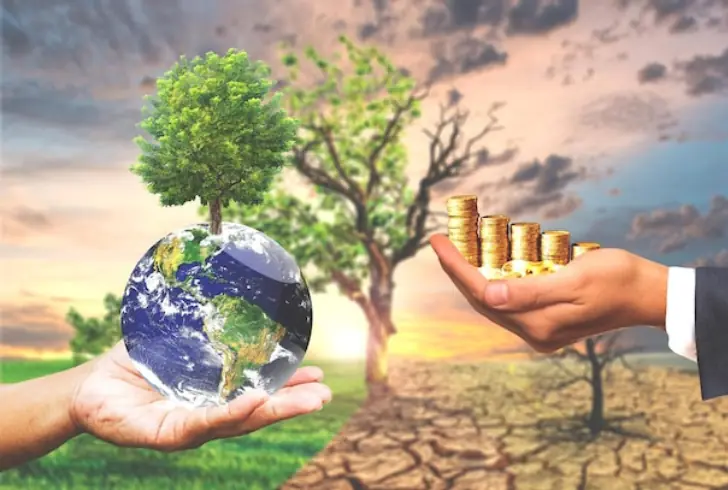
Greenpeace International is urging governments to incorporate the polluter-pays principle into both climate and fiscal policies. The organization also calls for commitments under the United Nations Tax Convention (UNFCITC) to establish effective taxation measures targeting ultra-high-net-worth individuals and major corporate polluters.
The proposed approach includes legally binding rules on taxing rights, stronger transparency requirements, and measures designed to address tax abuse.
As climate finance demands continue to grow, the report argues that discussions under the United Nations Framework Convention on Climate Change (UNFCCC) and the UN Tax Convention should work in tandem.
Together, these processes could help generate the financial resources needed for climate action and sustainable development. The findings place greater attention on the role of extreme wealth, investment-driven emissions, and the distribution of climate responsibility in shaping future climate policy.