
If there’s one life story our generation will remember for decades to come, it’s that of the ‘Great Lockdown of 2020’. It’s bad enough that we’re plagued by a pandemic that refuses to quit, now we also have to deal with the economic repercussions of the global lockdown.
Almost 40 million people (and counting) have lost their jobs since the Coronavirus hit America. Financial experts believe that the current economic crisis is akin to the “Great Depression” of the 1930s.
It is indeed a scary time for us all, but history is the best teacher. Here are some financial tips and lessons learned in the 30s that will get us through these tough times.
Savings are Vital
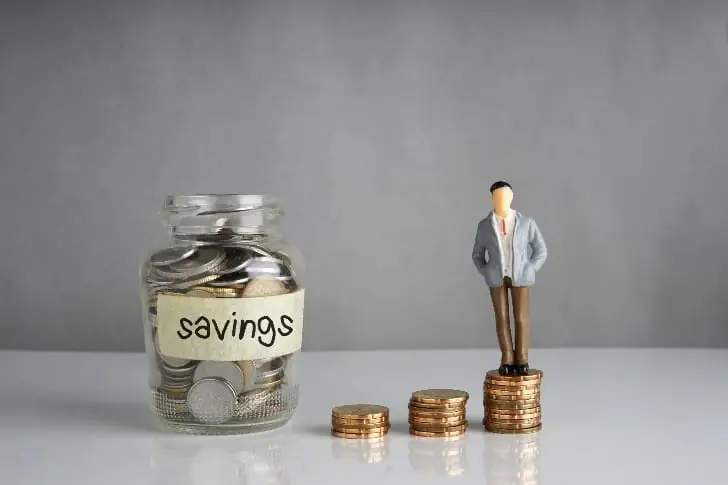
ismagination/Shutterstock: Having an emergency fund is a necessity
Never underestimate the importance of a rainy day fund. If there’s anything 2020 has taught us, it’s that disaster strikes without warning. You must always be prepared for the worst!
When the Great Depression followed the prosperous Roaring 20s, people were in for a shock. Those without jobs and savings suffered the most and ended up with insurmountable debt.
You should start today if you want to avoid facing such circumstances! Put some money in a high-yield savings account and use this as your emergency fund.
Start Cooking

Edgar Castrejon/Unsplash: Be a master-chef in your own right
Check anyone’s Instagram account, and you will agree that The Great Lockdown has brought out our inner chefs. It’s proof that when push comes to shove, we can sustain ourselves.
Back in the 1930s, people simply could not afford to eat out. Almost every meal was home-cooked, and it saved them a lot of money!
The best part is you don’t even need fancy ingredients. Just get creative with what you already have in the pantry or look for simple recipes online.
Steer Clear of Debt
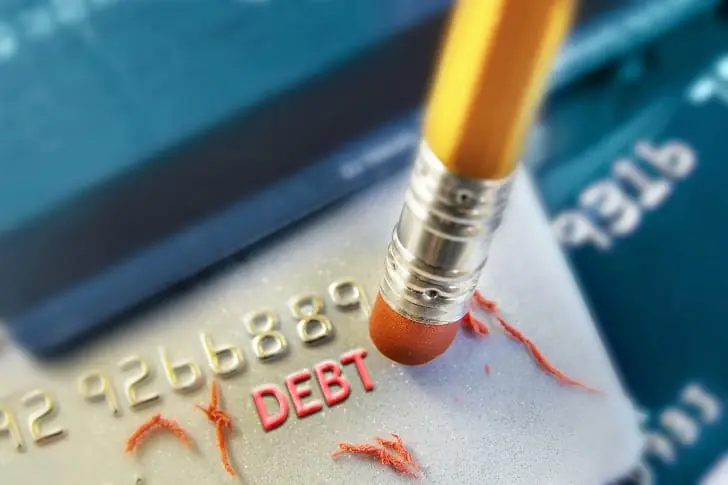
zimmytws/Shutterstock: Stay debt-free during such testing times
The Depression-era saw a lot of poverty because most Americans turned to loans and lines of credit during the ‘20s. Naturally, with a crashed stock market and no jobs, it was impossible to pay off these debts.
Debt remains one of our biggest problems. You can defer the credit card payments given the current situation, but unless the interest is on hold too, you’re just making things worse for yourself.
Look at options to help you get out of debt as fast as possible—pay more than the minimum payment, sell what you don’t need, refinance your mortgage, and consider a debt consolidation loan.
Stop Spending More Than You Make
The Jazz Age was all about extravagance! People often spent lavishly without thinking twice, even if they couldn’t afford to. They bought everything on installments, and when the recession came, it was impossible to keep up.
Don’t make the same mistake—have a strict budget for all your monthly expenses and stick to it. Use apps and coupons to keep your spending in check. Try to buy only what’s essential and say no to any luxuries for the time being.
Any Job Is Better Than No Job.
If you are among the many unfortunates who have been given the pink slip right now, don’t lose hope and take up whatever comes your way. Back in the ‘30s, people had to resort to one-off jobs like chopping wood, mowing lawns, and other side gigs to survive.
Thanks to technology and the internet, there are plenty of remote jobs available online now. Check out freelancing websites and look for projects based on your interest and expertise. You may not make as much as you would from a full-time job, but every penny counts!
Follow these tips, and you will surely keep your head above water during this pandemic and come back stronger than ever!