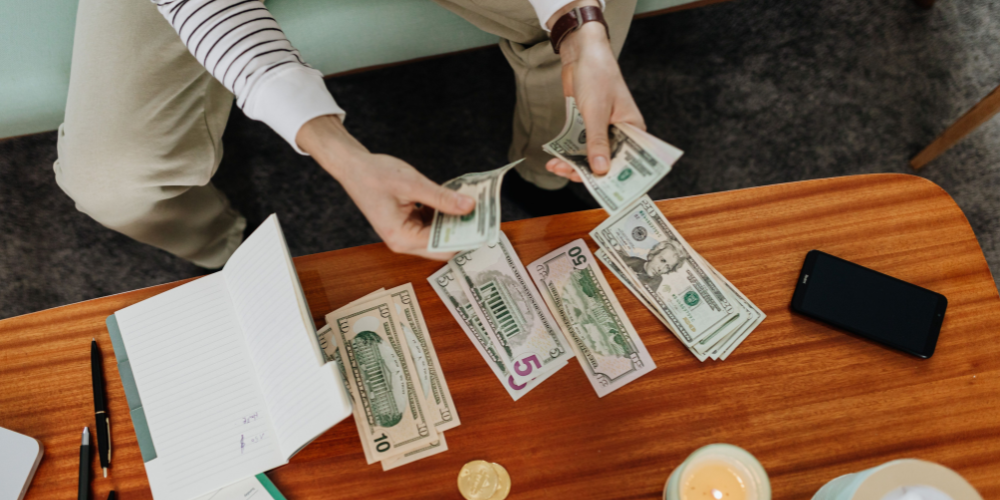
The link between money and happiness has puzzled people for decades. Some argue wealth guarantees joy, while others insist it has little impact. Dr. Jordan Grumet, a hospice physician and author of The Purpose Code, offers a unique view. After caring for patients at the end of their lives, he has seen that wealth itself does not determine happiness. Many wealthy individuals remain unfulfilled, while some with fewer resources live meaningful, joyful lives.
What stood out to him most was a consistent pattern. The happiest people weren’t necessarily rich, but they had invested their time and money in ways that helped them grow and connect deeply with others. In his words, the strongest use of money often comes from spending it on personal growth.
The Most Lasting Use of Money

Dr. Grumet highlights one approach as the most powerful way to spend: using money to become the best version of oneself. This means channeling resources into activities that align with values, passions, and long-term goals.
Examples of personal growth spending include:
1. Hiring a coach to sharpen writing or leadership skills.
2. Purchasing quality running shoes to support a love for fitness.
3. Paying for classes or workshops that expand knowledge.
These investments do more than build skills. They foster relationships, confidence, and a sense of purpose. The Harvard Study of Adult Development, one of the longest studies on happiness, found that close personal relationships bring greater fulfillment than wealth alone. Personal growth often strengthens these bonds, creating communities centered on shared passions.
Growth Doesn’t Have to Be Expensive
Dr. Grumet stresses that meaningful growth is not only for the wealthy. While some may choose to spend thousands on faraway adventures like Machu Picchu, others can find fulfillment closer to home. Joining a local hiking club, taking part in community events, or signing up for affordable classes can create the same sense of discovery and progress.
The key lies in alignment with identity. Even small expenses can light up one’s life when directed toward personal goals. Spending becomes powerful when it helps shape the person someone strives to be.
Why Pleasures Fade Over Time
Many believe experiences hold the secret to happiness. Vacations, concerts, and special outings do deliver joy. Planning them builds anticipation, living them sparks excitement, and remembering them brings comfort. Yet, Dr. Grumet points out their limitations.
Humans quickly adapt to new pleasures, a phenomenon called the “hedonic treadmill.” The first trip to Europe may feel thrilling, but repeating it several times reduces its novelty. Each new adventure requires something bigger or different to recreate the same spark.
While experiences do add richness to life, they rarely offer the same long-term satisfaction as investing in personal growth.
The Fleeting Joy of Buying Things
Possessions often create fleeting bursts of happiness. Buying clothing, jewelry, or gadgets may feel rewarding at first, but the joy usually fades quickly. Hedonic adaptation once again comes into play, pushing people to seek the next purchase for another short-lived boost.

Necessary items like food and shelter differ, of course, but luxury purchases rarely provide lasting fulfillment. Dr. Grumet calls this the “cheapest version of spending,” because it often fails to create meaning beyond the moment.
An exception exists when spending on others. Purchasing gifts can deliver more durable happiness because the joy extends beyond the object itself. Watching a loved one light up creates a shared memory, which lasts longer than the item’s novelty.
Why Purposeful Spending Stands Apart
Looking at these three forms of spending—growth, experiences, and things—it becomes clear why investing in oneself leads to the deepest happiness. Growth-driven spending builds identity, encourages community, and reduces regrets later in life. Experiences offer joy, but adaptation dulls their impact. Possessions satisfy temporarily, yet rarely shape long-term happiness.
Dr. Grumet’s perspective comes from years of guiding patients in their final moments. The people with the fewest regrets were those who invested in their own evolution. They used their resources—whether large or small—to become who they truly wanted to be.
Living with Fewer Regrets
The question of whether money buys happiness doesn’t have a simple yes or no answer. Wealth alone cannot guarantee fulfillment, but how it is spent makes all the difference. Channeling resources into personal growth allows people to create lives of meaning, deepen their relationships, and minimize regrets at the end of life.
Spending on growth does not require massive budgets. Even small, thoughtful investments in activities that align with values can bring joy and purpose. Choosing wisely today creates a foundation for happiness that lasts far into the future.