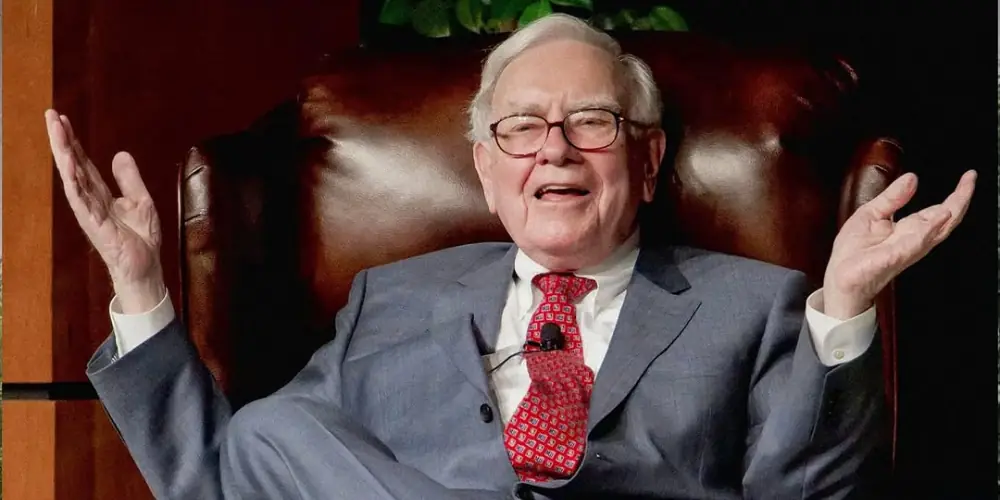
Warren Buffett stands out among billionaires not for his wealth, but for the modesty with which he lives. While many in his position lean into extravagance, Buffett proves that contentment can be rooted in simplicity. His everyday routines, financial decisions, and philanthropic focus all suggest a man more interested in value than vanity.
The son of congressman and investor Howard Buffett, he built a $145 billion fortune through Berkshire Hathaway. Yet instead of flaunting it with yachts or mega-mansions, he maintains a quieter life. In doing so, he challenges the assumption that vast wealth naturally leads to lavish spending.
At the core of Buffett’s choices is a philosophy: money brings security, but should never become a master. As he once noted, while possessions can provide joy, “too often, a vast collection of possessions ends up possessing its owner.”
Simple Pleasures Over Flashy Symbols
Instead of extravagant hobbies, Buffett prefers simple pleasures. He drinks several cans of Coca-Cola daily, plays bridge with friends, and even used a flip phone until just a few years ago. Unlike billionaires who showcase grand gestures, Buffett avoids excess. He never staged an extravagant European wedding like Jeff Bezos, nor did he attempt controversial land grabs like Mark Zuckerberg.
When speaking about his preferences, Buffett explained that a few comforts matter — such as his private jet — but he would never want multiple houses, which he described as a burden. His philosophy highlights that freedom often comes from limiting unnecessary commitments.
The Legendary Omaha Home
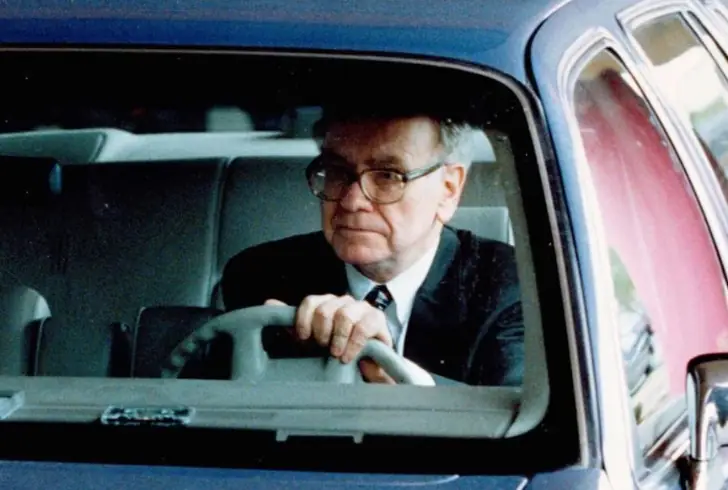
One of the clearest examples of his frugality is his Omaha residence. Purchased in 1958 for $31,500, the five-bedroom home still shelters him today. While others upgrade to sprawling estates, Buffett treasures the memories attached to this single house. He once remarked that the investment gave him decades of joy, ranking it among his top life decisions.
By contrast, other billionaires like Elon Musk have taken the opposite path, building compounds or even towns. Yet Buffett sees value not in expansion but in stability. In his words, a house may not outperform stocks in financial return, but it provides irreplaceable personal reward.
Fast Food Instead of Fine Dining
While millionaires frequently engage private chefs or luxuriate in Michelin-starred meals, Buffett maintains a simple routine. Each morning, he orders a McDonald’s breakfast worth just over three dollars. He rotates between sausage patties, bacon sandwiches, or sausage and egg combinations, always paired with Coca-Cola.
For lunch, he often heads to Dairy Queen, another affordable and casual choice. Bill Gates once shared a story where Buffett pulled out McDonald’s coupons to pay for their meal — a lighthearted example of his everyday approach to money. He frequently says, “I eat like a six-year-old,” and his eating habits reflect this.
The Jet He Couldn’t Resist
The one area where Buffett’s restraint wavered is aviation. In 1986, he purchased a used private jet for $850,000. Within two years, he upgraded to another for $6.7 million. While he initially joked that the purchase was “indefensible,” the plane quickly became known as “The Indispensable.”
His letters to shareholders reveal his inner conflict. He once compared jet ownership costs to multiplying bacteria, humorously warning it could drain Berkshire Hathaway’s wealth. Long-time partner Charlie Munger quipped that such spending was “degrading to the bacteria.” Despite his concerns, Buffett admitted the convenience made it hard to give up.
Private jets remain a controversial status symbol, not only for their luxury but also for their environmental impact. Studies show that just two hours of flight by a small jet produces more carbon emissions than an average person generates in a year.
Giving Away His Fortune
What sets Warren Buffett apart from most billionaires is his unwavering commitment to philanthropy. In 2010, he pledged to donate more than 99% of his fortune, stressing that such generosity would not diminish his lifestyle or his children’s security. Instead, he saw it as a way to put capital to work for society’s greater good.
To date, Buffett has given away more than $60 billion, including a remarkable $6 billion in Berkshire shares in June 2024 alone. These gifts have steadily pushed him down the global wealth rankings, but they have elevated his standing as one of the world’s most respected philanthropists.
Views on Family and Wealth

Buffett’s balance with his family is a reflection of his approach to money. He and his first wife, Susan, left each of their three children $10 million. He explained his reasoning, stating that youngsters should have “enough to do anything but not enough to do nothing.”
He rejects dynastic wealth, emphasizing that money should not define character or purpose. Instead, he focuses on opportunity and fairness. Buffett has stated numerous times that he was born lucky and that part of his luck requires him to distribute resources to people who are less fortunate.
His perspective shows consistency: wealth is a tool, not an identity. Excessive displays may be legal, but he believes they should not be admired. He prefers a lifestyle where fulfillment comes from meaningful use of resources, not public recognition of extravagance.
A Legacy of Modesty and Meaning
Buffett’s lifestyle stands out in a world where billionaires often compete for yachts, mansions, and headlines. By keeping his routines simple, holding onto his long-time home, and giving away much of his fortune, he proves that wealth does not need to change personal values.
His philosophy challenges traditional definitions of success, showing that billions need not translate into extravagance but can instead fuel generosity, stability, and purpose. Buffett’s choices remind us that meaningful impact comes not from possessions, but from living authentically and giving wisely.